The Writing
Essays on Scripture, theology, and how faith intersects with contemporary culture.
Old Testament
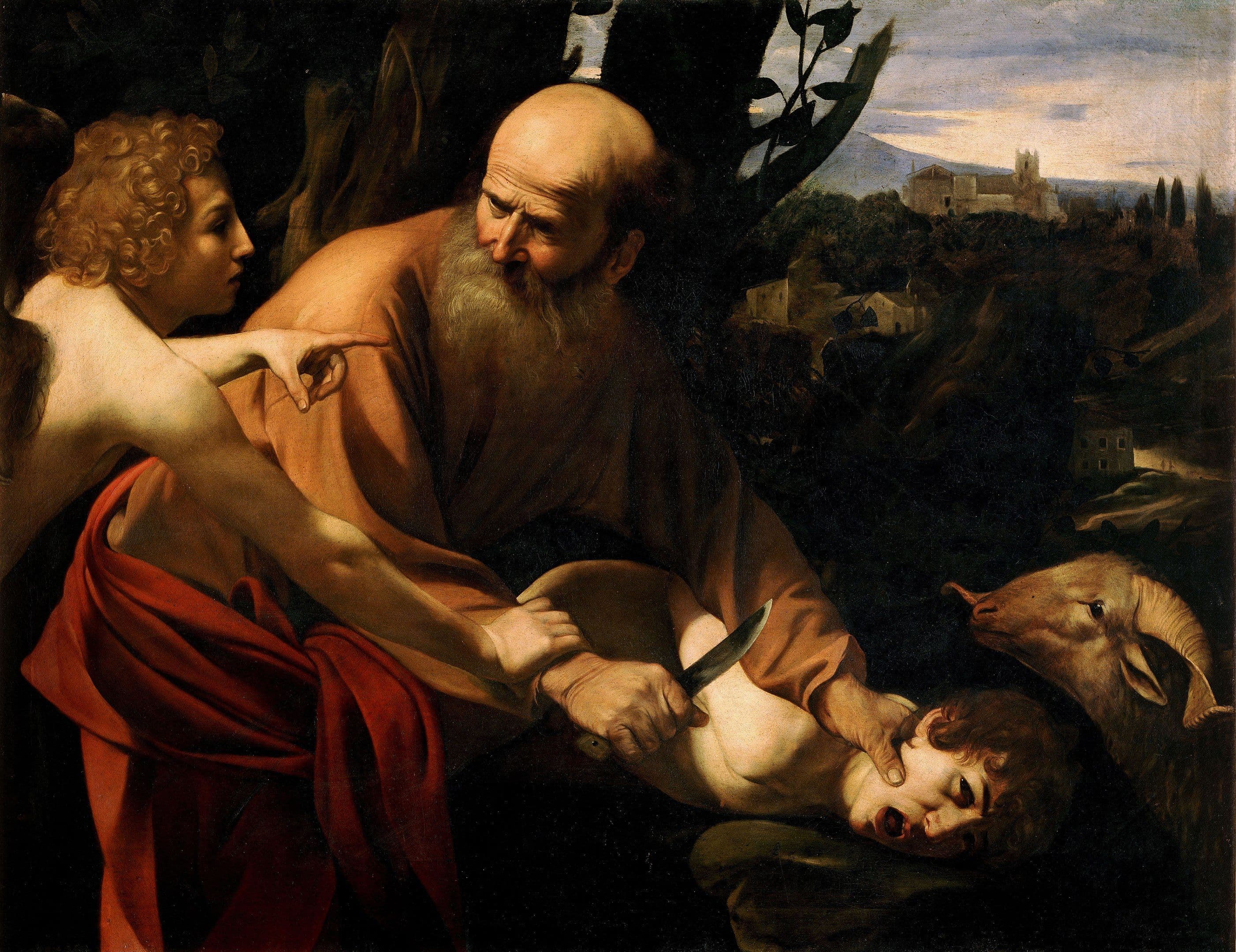
When Abraham doubts God's promises, God performs a covenant ceremony staking His own existence on keeping His word—passing through divided animals alone while Abraham sleeps, essentially declaring "may I be destroyed if I break this covenant."
We think we know Genesis 3—the serpent, the woman, the forbidden fruit. But this may be our greatest obstacle to reading Scripture. When we slow down and pay attention to, we discover sophisticated character development, dramatic tension, and theological depths that reward patient reading.
Genesis 1-2 isn't just ancient history—it's the foundation for everything we believe about God, humanity, and our purpose. Discover how to read creation's story carefully, teach it confidently, and help others see why it matters for their lives today.
New Testament
Introducing a new series to accompany the Bible Overview unit I'm leading at my church. We'll be exploring the Scriptures as one unified story and discovering our place in God's drama of creation, fall, redemption, and restoration through thoughtful reflection on Scripture's big narrative.
What if the universe isn't just something God made, but somewhere God dwells? Drawing on Ancient Near Eastern creation stories and biblical theology, this piece explores how the cosmos functions as God's temple—a place where He rests.
Before Jonathan Edwards became America's greatest theologian, he was a college student caught in the middle of Yale's founding political crisis. Shuttled between rival campuses as trustees fought over the school's future. Sometimes the most formative learning happens in the chaos.
Two elite Roman-era authors. Two letters about runaway men. One upholds status. The other redefines it through love. This article compares Paul’s letter to Philemon and Pliny’s letter to Sabinianus—and what they reveal about leadership, community, and Christian witness.
In churches that welcome all, how do we disciple well? This reflection considers why membership still matters, especially when the lines feel blurry.
Puritans
What does it mean to welcome someone into the church? This reflection on Baird Tipson’s Invisible Saints explores charity, doubt, and the quiet burden of pastoral discernment.
Jonathan Edwards
Jonathan Edwards left behind more than he published—drafts, notes, and private reflections. How should we read this abundance? This post reflects on method, memory, and the responsibility of Christian scholarship.
Showing 10 of 23 posts